Brazil’s Senate votes 75-1 for 40-hour week before runoff
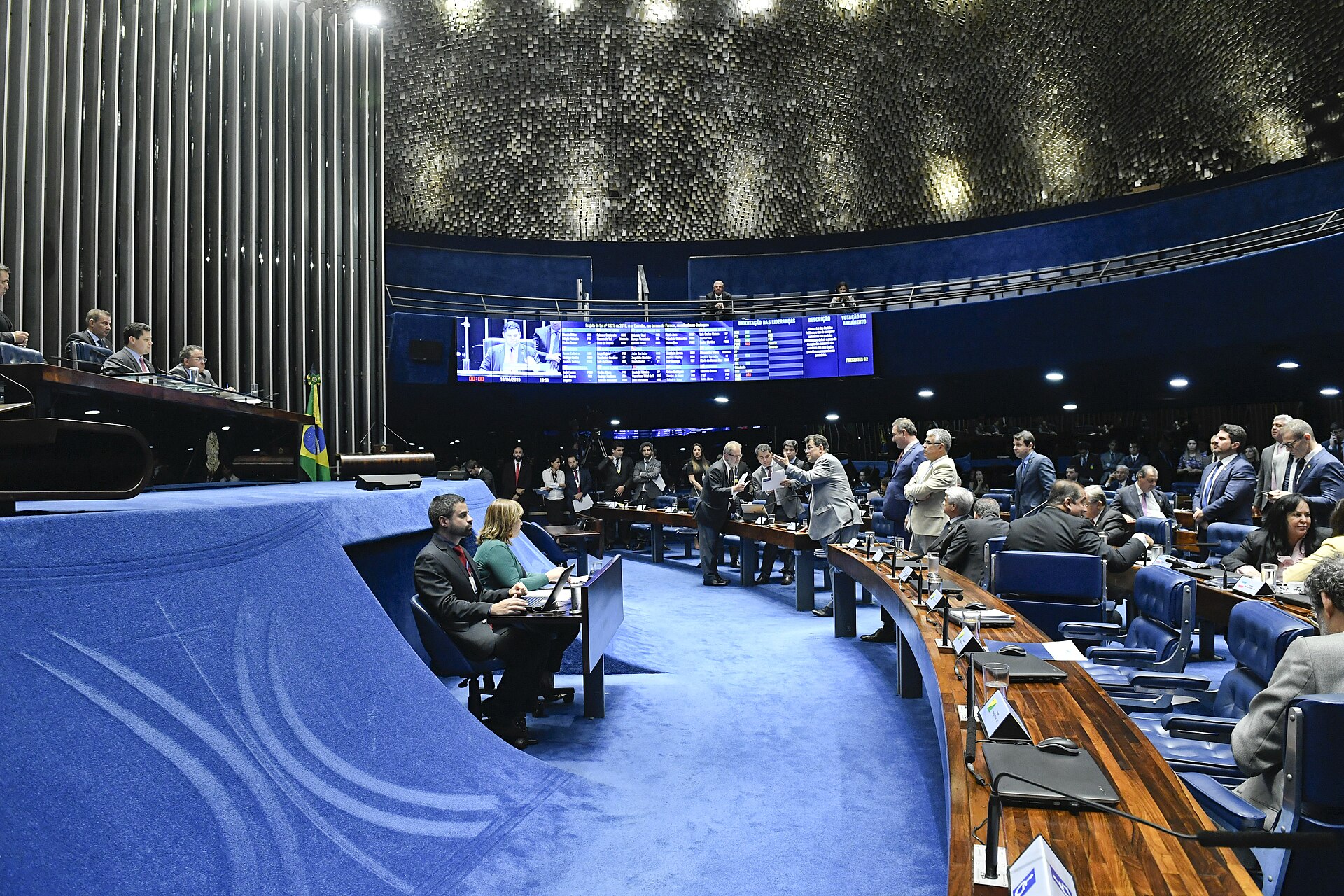
Brazil’s Senate voted 75 to 1 on Wednesday, Oct. 14, 2026, to approve a constitutional amendment that cuts the maximum workweek from 44 to 40 hours, with no reduction in pay, ending the six-days-on, one-day-off “6×1” schedule, the Associated Press reported.
Updated Oct. 15, 2026, 1 p.m. MDT. Developing: promulgation has not yet happened.
The Brazilian government estimates the change will cover more than 37 million formal-sector workers, according to Reuters. It is the first constitutional cut to the standard workweek since the 1988 Constitution reduced it from 48 to 44 hours, Courthouse News Service reported.
The AP, reporting from São Paulo, said the amendment passed with the same 75-1 result in each of the two required rounds, out of 81 senators. The only no vote came from Hamilton Mourão, a former vice-president under Jair Bolsonaro. The measure needed 49 votes in each round.
The Chamber of Deputies approved the same text, known as PEC 221/2019 , in May by 472 to 22 in the first round and 461 to 19 in the second, the Rio Times reported.
The timing is political. The presidential runoff between President Luiz Inácio Lula da Silva and Sen. Flávio Bolsonaro is on Oct. 25, 2026. Flávio Bolsonaro had called the proposal an electoral manoeuvre and his Liberal Party had sought to delay the vote until after the runoff, Courthouse News reported.
He reversed course on Oct. 13. “The majority of Brazilian workers want the end of the 6×1 schedule, so I will vote in favor,” he said, according to Courthouse News. The AP said he voted remotely while campaigning in southern Brazil. Our earlier report on the runoff polls shows how close the race is.
Lula called the vote a win for workers. “It’s more time to live, rest, be with family, watch your children grow, take care of yourself, and enjoy life,” he wrote in a post on X, Reuters reported. The AP quoted his statement as saying: “Today is a day to celebrate a historic achievement for millions of workers.”
Carla Beni, an economist at the Getulio Vargas Foundation, told the AP that “any change made in an election year can be considered an electoral measure.” The AP also reported, citing O Globo, that Bolsonaro told business owners the new Congress could review the measure.
Under the text, the weekly limit falls to 42 hours 60 days after promulgation and to 40 hours about a year later, Courthouse News reported. Workers get two paid rest days a week, one preferably on Sunday, and employers may not cut salaries because of the shorter week. Reuters and the AP both describe the full phase-in as 14 months.
Business groups opposed the change. The National Confederation of Commerce of Goods, Services and Tourism argued that a uniform 40-hour limit could hurt employment and small businesses, and that hours should be set through collective bargaining rather than the Constitution, Courthouse News reported. Adriana Marcolino of the labour-linked research institute Dieese told the same outlet there is “no documented case of shorter working hours leading to higher unemployment.”
Workers in the informal economy, such as freelancers and delivery drivers, are not covered. About 38 per cent of Brazilian workers are informal, Courthouse News said.
Brazil joins a regional trend. Chile passed a 40-hour law in 2023, Colombia recently enacted a 42-hour week, and Mexico’s lawmakers approved a gradual cut from 48 to 40 hours by 2030, the AP reported. Argentina under President Javier Milei is moving the other way and may extend its 48-hour week.
Outlets differ on the next step. The AP said Lula is expected to sign the measure next week. Courthouse News said no presidential approval is needed because the Senate passed the text the lower house had approved, so Congress promulgates it, with no date given. The change is not yet in force.
For Canadians, the vote matters most to those with family, business or employees in Brazil, since the new limits apply to formal-sector workers there. No Canadian government or business reaction had been reported by Oct. 15, and Canadian companies with Brazilian payrolls would face the same pay for fewer hours once the phase-in begins. Travellers are not affected, and the Government of Canada’s current advice for Brazil is on travel.gc.ca .
The next dates to watch are the promulgation of the amendment and the Oct. 25 runoff.
Sources: Associated Press via ClickOnDetroit (Oct. 14), Courthouse News Service (Oct. 14), Reuters via Daily Maverick (Oct. 15) and the Rio Times (Oct. 10). The Senate’s own record was not read directly.
If you find reporting like this useful, consider supporting Canada News Media , an independent Canadian newsroom with no corporate parent.
The post Brazil’s Senate votes 75-1 for 40-hour week before runoff appeared first on Canada News Media .
The full article is being collected. Available text is shown for now.