Métis leaders say Ottawa shut them out of Pacific Link talks
Leaders of six Métis communities in Alberta’s Wood Buffalo region said Oct. 13 that Ottawa excluded them from consultations on the proposed Pacific Link oil pipeline, which the federal government fast-tracked as a project of national interest on Oct. 1.
Updated Oct. 15, 2026. This story is developing.
The leaders, from Fort McMurray, Fort Chipewyan, Fort McKay, Willow Lake, Conklin and Chard, said at a news conference in Fort McMurray that they were not invited to meetings with First Nations leaders or to the announcement itself, according to CBC News and the Edmonton Journal. The pipeline is described on the Government of Alberta’s Pacific Link page , which says the province prepared the submission and plans to partner with Trans Mountain Corporation and Pembina Pipeline.
None of the leaders said they oppose the pipeline, CBC reported. They said they want a meeting with both governments and a funded consultation process before federal approvals are signed.
Ruby Ladouceur, president of the Fort Chipewyan Métis Nation, said “Anything done without us is actually against us,” CBC reported. She also called the exclusion “shameful,” the Edmonton Journal reported. Ladouceur said she worries the line would fuel more oilsands development and raise risks to water, land and air.
Stella Lavallee, president of the Willow Lake Métis Nation, dismissed the offer of Indigenous ownership. “Zero per cent of 10 per cent is zero per cent,” she said, according to the Edmonton Journal. Asked whether the communities would go to court, she said it “all depends” on the outcome of a meeting with both governments.
Prime Minister Mark Carney and Premier Danielle Smith announced the project in Fort McMurray on Oct. 1, with Pembina Pipeline CEO Scott Burrows. CBC reported the line would carry one million barrels of oil a day to tankers at a deepwater port near Delta, B.C. Construction approvals are targeted for September 2027, with operations by 2032 or 2033, according to CBC.
Carney has said at least 10 per cent of the project will be available to Indigenous communities, along with contracting and employment opportunities. The Major Projects Office has said it consulted more than 130 Indigenous communities in Alberta and B.C., the Edmonton Journal reported. The Alberta government’s page says engagement covers more than 100 communities across Alberta and northern B.C. and that construction could start as early as Sept. 1, 2027, if consultation obligations are met.
The federal Privy Council Office did not respond to CBC’s request for comment, and the Prime Minister’s Office had not responded to the Edmonton Journal by its deadline. Alberta’s Indigenous Relations Minister Rajan Sawhney has met Métis leaders in the region, her office said, but it could not comment on federal decisions about who is consulted.
The Métis complaint is separate from those of First Nations. Section 35 of the Constitution Act, 1982 recognizes Métis as one of Canada’s three Aboriginal peoples, and a 2004 Supreme Court of Canada ruling requires governments to consult, and where needed accommodate, communities whose rights may be affected. The Métis leaders said talks with First Nations do not replace consultation with them.
The dispute is the latest challenge to the timeline. Cold Lake First Nations filed a Federal Court application last week asking a judge to quash the national interest designation and declare that Canada owes it a duty to consult, the Edmonton Journal reported. On Oct. 14, chiefs at the B.C. Assembly of First Nations meeting told Major Projects Office CEO Dawn Farrell that consultation on the designation was too rushed, as Canada News Media reported .
The Major Projects Office is running a year-long federal review of the pipeline. Smith has said she wants oilsands production to double to eight million barrels a day by 2035, CBC reported. That goal is at the centre of the Métis leaders’ concern about emissions, water withdrawals and spill risk.
The Métis leaders have not said they will go to court. What happens next depends on whether Ottawa and Alberta agree to the meeting the leaders are seeking, and whether Métis consultation is funded before the review reaches its main decisions.
If you find reporting like this useful, consider supporting Canada News Media , an independent Canadian newsroom with no corporate parent.
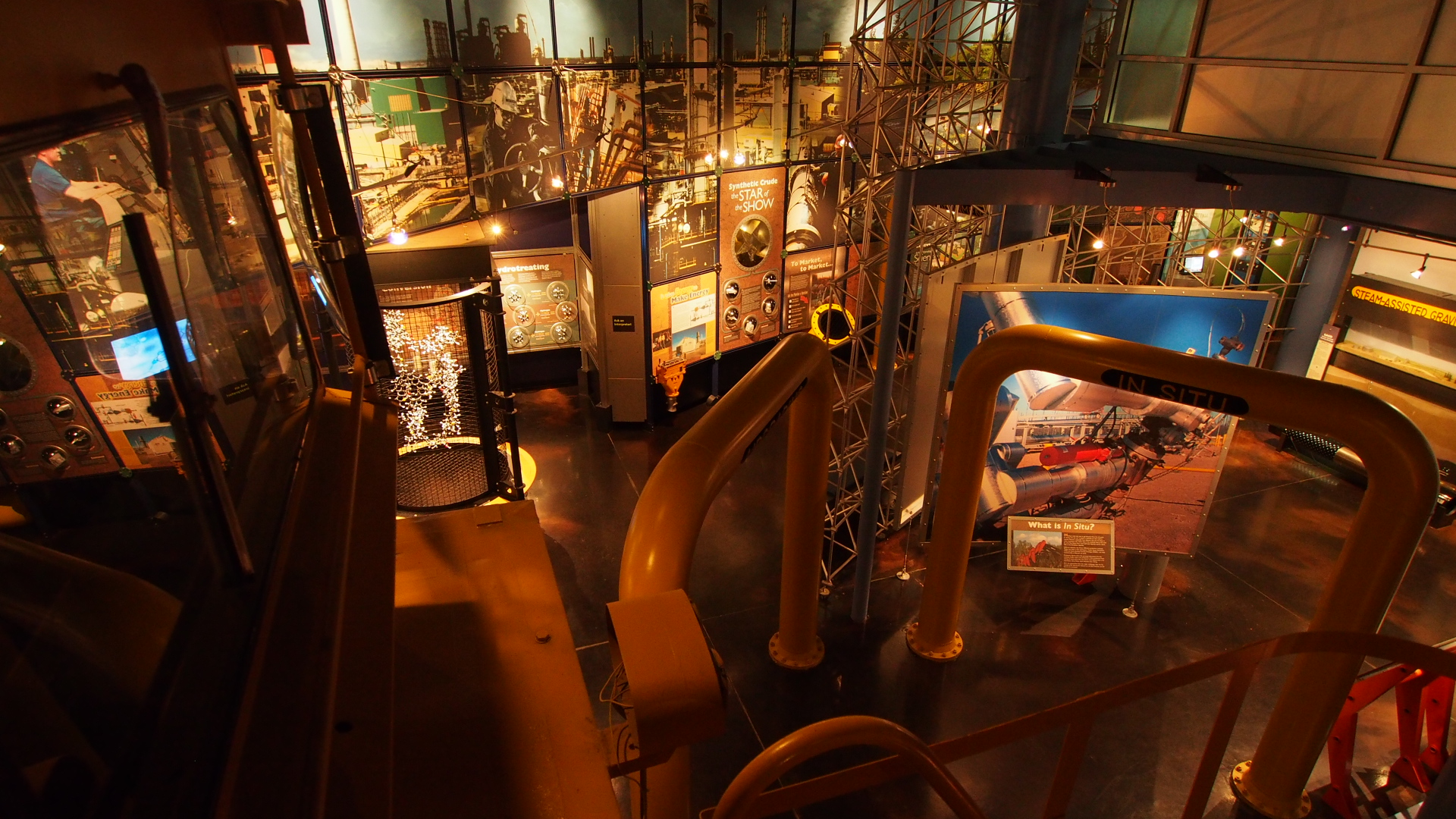
Via CBC News and the Edmonton Journal (both read via Yahoo News Canada), Oct. 14 and 15, 2026. Original reports: CBC News ; Edmonton Journal . File photo: Fort McMurray, not from the news conference.
The post Métis leaders say Ottawa shut them out of Pacific Link talks appeared first on Canada News Media .
The full article is being collected. Available text is shown for now.