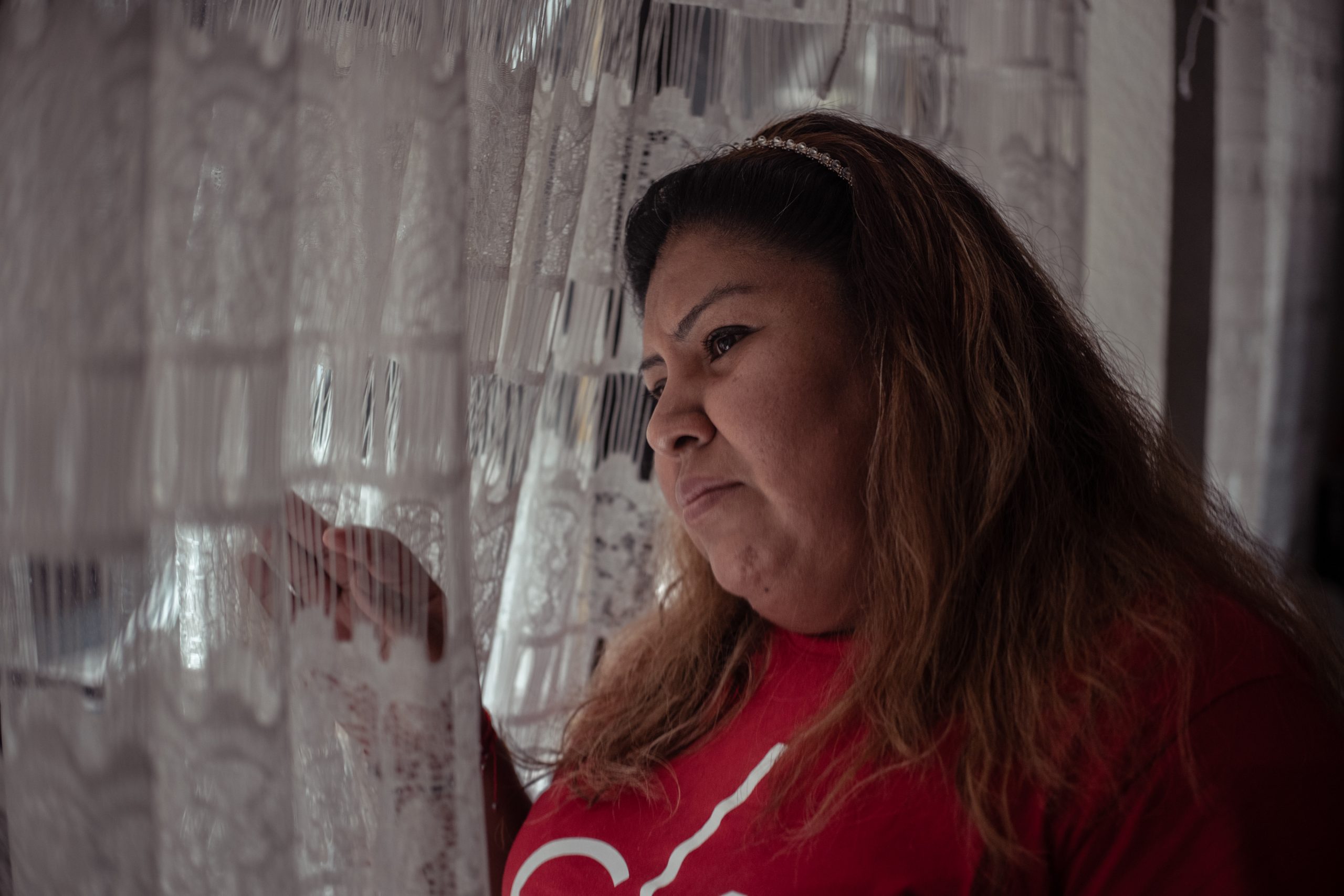
PODCAST: Deported from CT: How one woman parents from Mexico
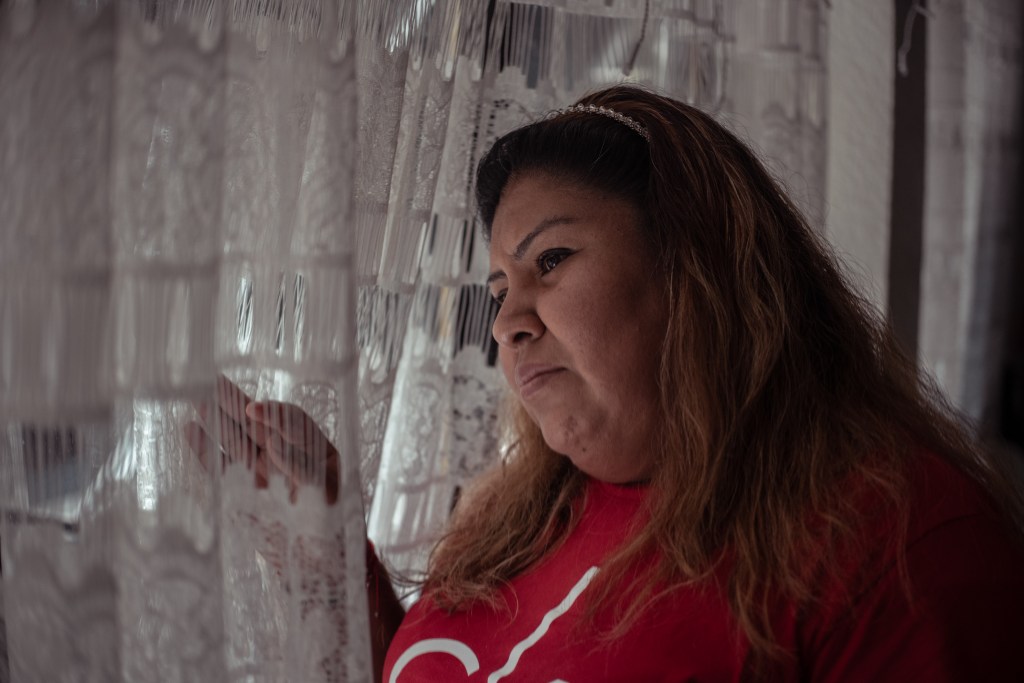
Deportations are up significantly since President Donald Trump took office. In many cases, the people being deported leave behind family, friends, and community.
WSHU’s Ebong Udoma spoke with CT Mirror’s Laura Tillman to discuss her article, “ICE deported her from CT. Now, she parents from Mexico.” as part of the collaborative podcast Long Story Short. Read the story here .
WSHU: Hello, Laura. Tell us about Nancy Martinez. How did you come across her story?
LT: So, Nancy Martinez, I first learned about her story at a rally in New Haven in 2025. After she was detained by ICE one morning when she was taking her kids to school, there was a rally in support of her and other people who had been detained by ICE in an operation in Connecticut, and so that was the first time that I heard her daughter speak about her at the rally. And then, about a year later, I attended a press conference at Yale when they announced that they were supporting her in a lawsuit against the federal government.
WSHU: Now, tell us about her arrest on the ninth of June in 2025. How does she describe what happened?
LT: So, there’s actually video of this incident too, so we can see what happened. But essentially, she was walking up to her car with her kids. They get in the car, ready to leave for school in the morning, and then ICE vehicles surround her car, blocking her in, she is told to exit the car, and she’s handcuffed. And there’s a lot of frantic screaming, weeping, and conversation between her and her kids as they try to figure out what to do. And in the end, she’s taken away in an ICE vehicle, and her kids are left behind. And her mother, who was visiting from Mexico at the time, was able to come out of the house and accompany them on the sidewalk.
WSHU: So, did ICE say why she was picked up?
LT: After the press conference about her lawsuit, we did get a statement from ICE that said that she had a criminal history. And that they claimed also that they did ensure that the kids were looked after, which is one of the questions in the lawsuit: Nancy and Yale are alleging that ICE didn’t act properly and that it left the kids behind without ensuring that they had someone to take care of them.
WSHU: Now, she had an assault charge against her.
LT: So our understanding from Yale’s attorneys is that Nancy was arrested as a result of a dispute between her and her sister-in-law. Police were called. In the end, there were charges against her related to that dispute for you know breach of peace and assault, I believe, and those were dismissed by the judge. Nancy agreed to take anger management classes, and she had started those classes at the time. But this is kind of a part of a pattern that we see in a lot of these detention scenarios, where someone maybe has some minor interaction with the law, and then through that process, they’re sort of brought to the attention of ICE, and as a result, are detained.
WSHU: So, if you have any issues with the legal system, you come up on the database?
LT: Right. So, if you have any legal issues, you may come up, and that might prompt them to come and detain you. In most of these cases, people are being deported pretty quickly after that.
WSHU: Laura, as you got hold of this story, you decided to go to Mexico and talk to Nancy herself. Could you tell us a little bit about how that happened? Your experience talking with Nancy in Mexico.
LT: So actually, when this press conference happened earlier this year, I was already planning to go to Mexico City with my family in July. My family and I lived in Mexico City for 10 years before I moved to Connecticut, and so when I learned that Nancy was there in this neighborhood in the Estado de Mexico, which is a state in Mexico that kind of surrounds Mexico City, I decided that it would be really an unusual opportunity to go and and meet her there. I think a lot of the time when people are deported, the story for us as journalists, in some sense, ends there. We don’t get to see what happens on the other side of that. And so this was sort of a rare chance to get to go and meet her in person and talk to her.
WSHU: So, what is she doing there now?
LT: So she is selling clothes. She has a stand that she sets up in her neighborhood, and she sells both new and used clothes. She talks to her kids a lot. She talks to them many times a day. Sometimes her son, who has autism spectrum disorder, you know, calls her during the day when he’s at school because he just needs to hear her voice to calm down, and she’s trying to plan her daughter’s quinceanera party, which is the 15th birthday party for girls, which is a really special event for girls in a lot of Latin American countries, so she is trying to do those things from afar, and she’s living with her mother and her grandmother and other members of her family there in Mexico.
WSHU: So she’s still got a separated family, although her kids were able to come and spend some time over the summer, right?
LT: Yes, there was some fundraising that was done in New Haven by advocacy groups, and they were able to support the kids to get plane tickets to go and visit her over the summer. So I think that it’s clear that a lot of people in New Haven still feel a lot of solidarity with her and her family.
WSHU: Well, thank you so much, Laura.
LT: Yeah, thank you.
High bar. High impact.
We hold our newsroom to a high standard — in quality of stories, ethical practices, depth of knowledge on their beats, transparency, and impact of the journalism. We like to think that it is a bar any other outlet should strive to meet, too.
We just set a new bar by winning the Pulitzer Prize for Local Reporting.
The award is a crowning achievement sitting atop a mountain of substantive impact, including change spurred by the On the Hook series that was recognized. It woke up public officials to the festering practice of towing and quickly selling people’s cars before their owners could hope to get them back. The story immediately changed the law that allowed it to happen (as immediate as government can move).
That’s what you get from CT Mirror: high caliber, high impact journalism.
The newsroom didn’t begin their multi-year investigation into the towing industry with a thought that it would win them a Pulitzer, but they did know they had something momentous that could reshape public policy.
For every long-term investigation that didn’t win a Pulitzer, many still could have for the level of reporting we did and the changes in lives and laws that came from them.
When you donate, you become part of publishing the stories and creating the impact. Will you make a gift today?
Recurring support ensures CT Mirror continues delivering the accountability journalism Connecticut needs — now and for years to come.
Thank you.
CT Mirror's Long Story Short
Long Story Short takes you behind the scenes at the home of public policy journalism in Connecticut. Each week WSHU’s Ebong Udoma joins us to rundown the Sunday Feature with our reporters. We also present specials on CT Mirror’s big investigative pieces.