How second-hand clothing is redefining fashion among Nigerian youths
How second-hand clothing is redefining fashion among Nigerian youths
As the cost of living continues to put pressure on household budgets in Nigeria, many young people are turning to thrift shopping as an affordable way to stay fashionable without spending a fortune.
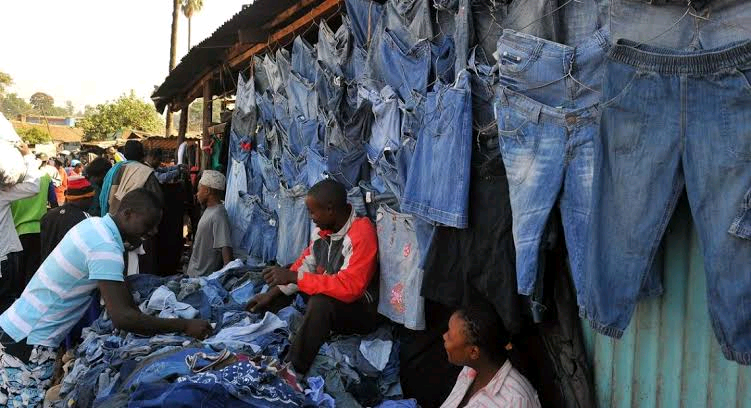
Commonly known as okrika, second-hand or bend-down-select, thrift shopping involves purchasing second-hand clothing, footwear, bags and other fashion items, often at prices significantly lower than those of new products.
READ ALSO: Adire Fashion Style: A timeless masterpiece of wearable art, by Farida Abba
What was once regarded by some as a necessity for people with limited financial resources has increasingly become a fashion choice among young Nigerians seeking affordable, unique and stylish outfits.
From bustling markets to social media platforms, the business of second-hand fashion is gaining attention, with young consumers exploring different ways to look good while managing their expenses.
Affordability Amid Rising Clothing Costs
One of the major reasons behind the growing popularity of thrift shopping is affordability. With many young Nigerians facing financial challenges, including unemployment, low wages and the rising cost of basic necessities, buying brand-new clothing can be difficult.
For students, young professionals and entrepreneurs, thrift markets offer an opportunity to purchase several clothing items at a fraction of the cost of some new alternatives.
Rather than spending a large portion of their income on a single outfit, shoppers can find shirts, trousers, dresses, jackets and other items within their budgets.
For many young people, this represents a practical approach to fashion: looking presentable and expressing personal style without neglecting other financial responsibilities.
Social Media and the Reinvention of Second-Hand Fashion
Social media has also contributed to the changing perception of thrift shopping among Nigerian youths.
Platforms such as Instagram, TikTok and Facebook have created opportunities for thrift vendors to display their merchandise, attract customers and build fashion businesses beyond traditional markets.
Through short videos, photographs and styling demonstrations, vendors showcase carefully selected clothing, including vintage pieces, oversized jackets, denim trousers, designer-inspired outfits and other items that appeal to younger consumers.
Fashion-conscious youths are also sharing their thrift finds online, demonstrating how affordable second-hand clothing can be combined to create attractive outfits.
This growing online visibility has helped shift attention away from the stigma sometimes associated with wearing used clothing, presenting thrift shopping instead as a practical and creative way to dress.
For some shoppers, the appeal lies not only in affordability but also in the possibility of discovering distinctive pieces that may be difficult to find in conventional retail stores.
A Source of Livelihood for Young Entrepreneurs
Beyond providing affordable clothing, thrift shopping has created business opportunities for young Nigerians.
Some entrepreneurs purchase clothing in bulk and resell individual items at a profit, while others specialise in selected categories such as vintage wear, office clothing, children’s clothing, footwear and bags.
With the growth of online commerce, some vendors operate from their homes, using social media to advertise their products and communicate with customers. This approach can reduce the need for expensive shop rentals, although vendors still face costs associated with sourcing merchandise, transportation, packaging and delivery.
READ ALSO: How high heels evolved from symbols of status to global fashion trend
The business also creates opportunities for people involved in clothing distribution, cleaning, repairs, alterations, photography and online marketing.
However, success in the sector requires more than simply purchasing and reselling clothes. Vendors must identify quality products, understand customers’ preferences, price their merchandise competitively and build trust with buyers.
As competition increases, sellers who provide clear product descriptions, accurate measurements and reliable delivery services may be better positioned to retain customers.
Quality, Individuality and the Appeal of Unique Finds
For many young shoppers, the attraction of thrift fashion extends beyond the price.
Second-hand markets can offer a wide range of designs, colours, fabrics and styles, including vintage pieces and clothing that may no longer be available in mainstream retail outlets.
This variety allows shoppers to experiment with their appearance and develop personal styles without committing substantial amounts of money to individual purchases.
Some consumers also prefer the quality of certain older garments, although the condition and durability of second-hand clothing vary considerably from item to item.
Nevertheless, thrift shopping often requires patience. Buyers may need to search through numerous garments before finding suitable sizes, preferred designs or clothing in good condition.
The experience can be particularly appealing to shoppers who enjoy discovering unusual pieces and creating outfits that reflect their personalities.
The Environmental Argument for Reusing Clothes
Thrift shopping is also associated with efforts to extend the useful life of clothing.
By purchasing and reusing garments that might otherwise be discarded, consumers can help reduce demand for newly manufactured clothing and potentially limit textile waste.
However, the environmental benefits depend on several factors, including the condition of the garments, how long buyers continue wearing them and whether second-hand purchases replace or simply add to new clothing consumption.
There are also wider concerns about the global second-hand clothing trade, particularly the quality of exported garments and the handling of clothing that cannot be resold.
For Nigeria, encouraging responsible clothing reuse can be beneficial, but it should go alongside proper waste management and support for local textile and garment producers.
Challenges Facing Thrift Shoppers and Vendors
Despite its growing appeal, thrift shopping comes with challenges.
The quality of available merchandise is not always guaranteed. Some items may have stains, damaged zips, loose seams or other defects that are not immediately noticeable during a purchase.
Sizing can also be inconsistent, particularly when clothing comes from different countries or manufacturers. Online shoppers face additional difficulties because they cannot physically inspect garments before paying.
Some buyers may also be concerned about cleanliness and hygiene, making proper washing and care important before wearing second-hand clothing.
Vendors, meanwhile, may experience fluctuating supply, rising transportation costs and difficulties obtaining consistent quantities of high-quality merchandise.
READ ALSO: Shadda: The shimmering fabric behind Northern Nigeria’s traditional fashion
For shoppers, careful inspection, checking measurements and establishing a realistic budget can help reduce the risks associated with thrift purchases.
Changing Attitudes Towards Fashion
The growing popularity of thrift shopping reflects changing attitudes towards fashion among Nigerian youths.
Increasingly, the appeal of an outfit may depend less on whether it is brand-new and more on its appearance, quality, affordability and suitability for the wearer.
For young people managing limited incomes, second-hand clothing offers a way to participate in fashion while balancing other expenses. For entrepreneurs, it provides an avenue to explore small-business opportunities. For environmentally conscious consumers, it presents another way to extend the life of existing garments.
However, thrift shopping should not be viewed as a complete solution to the financial difficulties facing young Nigerians or the broader challenges within the fashion industry.
Its continued growth will depend on consumer confidence, product quality, responsible business practices and the ability of vendors to respond to changing preferences.
Ultimately, the popularity of thrift shopping suggests that fashion among Nigerian youths is increasingly shaped by a combination of financial realities, personal expression and changing consumer habits.
For many, looking good is no longer necessarily about buying new clothes. It is about finding value, making thoughtful choices and creating a personal style within one’s means.
Who will you vote as President? Bola Tinubu (APC) Atiku Abubakar (ADC) Goodluck Jonathan (PDP) Peter Obi (NDC) Adewole Adebayo (SDP) Omoyele Sowore (AAC) Vote
Follow the Neptune Prime channel on WhatsApp:
Do you have breaking news, interview request, opinion, suggestion, or want your event covered? Email us at neptuneprime2233@gmail.com
Like this:
Like this:
Marmots: Uncovering the historical importance of the squirrel family’s heaviest species, by Gift Luckson
Meet Edu Inam, the chemistry professor who won the Schlumberger Foundation award for research innovation
The Igbokoda NAF 931 Crash: One disaster too many, by Ayuba Ahmad
The IMF, Nigeria, and the Arithmetic of Suffering: Why the poor cannot eat macroeconomic reform, by Abubakar M. Kareto
Get notified whenever we post something new!
Popular Kannywood actor Adam Zango to be flown abroad...
Popular Kannywood actor Adam Zango to be flown abroad for medical treatment
Social Media Influencing in Nigeria: Economic benefits and the risks involved, by Gift Luckson
Governor Namadi, youth employment and the 1st October celebration, by Adamu Muhd Usman
Military Plane Tragedy: Copilot who died in Ondo crash got married two weeks ago
Continue reading
Marmots: Uncovering the historical importance of the squirrel family’s heaviest species, by Gift Luckson
Meet Edu Inam, the chemistry professor who won the Schlumberger Foundation award for research innovation
The Igbokoda NAF 931 Crash: One disaster too many, by Ayuba Ahmad
Enjoy the benefits of exclusive reading