PitCo commissioner candidates all voice support for public lands
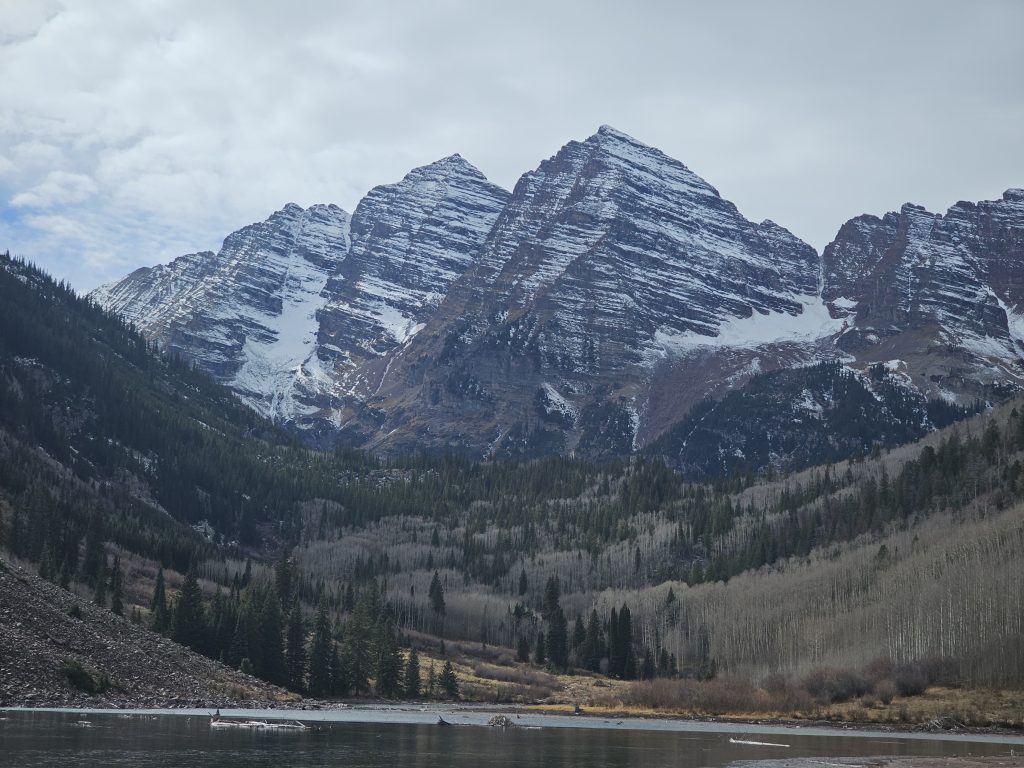
There’s one thing that all four candidates running for Pitkin County commissioner can agree on — the importance of ensuring that federal public lands remain protected and accessible.
In a nonpartisan voter education survey conducted by the Carbondale-based Wilderness Workshop, District 1 candidates Rob Ittner and John Doyle and District 2 candidates Ted Mahon and Emily Kolbe created consensus on the critical importance of Colorado’s public lands, expressing interest in keeping those lands funded and conserved for present and future generations.
Among the consensus, however, were variations in their individual priorities for stewardship.
The survey also included candidates from Eagle and Garfield counties, with the full questionnaire responses across all three counties available at wildernessworkshop.org/commissioner-candidate-questionnaire/ .
“Public lands help define life in western Colorado, supporting clean water, wildlife, recreation, local economies, and the places that make our communities home,” Erin Riccio of Wilderness Workshop said in a press release. “Voters deserve to know where county commissioner candidates stand on the issues that matter to them.”
Priorities related to Pitkin County’s federal public lands
For Doyle, the key to ensuring the protection of Pitkin County’s federal public lands is keeping it out of private hands.
“I oppose the trades of federal land to private entities or persons such as what is being proposed in Grand Teton and Yosemite National Parks for the benefit of private interests,” he responded to the survey. “I oppose creating border walls in Big Bend National Park. I support local efforts to protect federal lands from degradation and overuse. I believe we are best served with local control of our local federal resources rather than private management of public lands.”
For Ittner, his commitment to protecting the county’s federal public lands comes down to managing recreation responsibly to make sure wilderness areas, watersheds, wildlife habitat and migration corridors don’t get “loved to death.”
“Protecting and conserving our public lands is one of my highest priorities,” he wrote in his survey response. “I believe conservation and public access can work together when access is thoughtful and sustainable. We also need to address wildfire risk and forest health through strong partnerships among Pitkin County, the Forest Service, fire districts, and our communities. I support keeping public lands public and ensuring adequate long-term funding for trails, transportation, visitor management, and other stewardship needs.”
He added, “Our public lands define this valley. Protecting them must remain at the heart of our decisions.”
For Mahon, his priorities with regard to the 80% of the county that is public land falls under “active, responsible management” and “vigilance and advocacy.”
“While the Forest Service and BLM have primary responsibility for managing them, the County has an important role as a local partner. As commissioners, we need to stay engaged in planning, monitoring, and management and make sure federal agencies understand our community’s needs and priorities,” he responded to the survey. “Drought, wildfire, declining stream flows, climate change, recreation, and development pressures require thoughtful, ongoing management … Changes in federal policy could increase pressure for resource extraction, development, or privatization of public lands. County commissioners and local partners need to stay engaged, understand what is being proposed, and speak up when necessary to protect the public lands that are so important to our community.”
For Kolbe, the focus is on securing adequate funding and permanent protections.
“Ensuring access for future generations is fundamental for our region’s ecological health, our economy, and our local community,” she wrote in her survey response. “The need to professionally manage these public lands for preservation, protection, and maintenance of our natural resources is critical to the health and vitality of our county.”
The role federal public lands play in Pitkin County
For Doyle, federal public lands encompass both an economic livelihood for the county as well as a “spiritual home.”
“The outdoors, wildlife and public lands are what drew us all here and where we seek refuge from the chaos of everyday life in our troubled times,” he wrote in his response. “I support investing some local funding to backfill the federal cuts rather than turning over management to profit seeking businesses.”
For Ittner, the wilderness also holds value beyond economic or recreational uses.
“Federal public lands are fundamental to what makes Pitkin County special and are a major reason I have chosen to make this valley my home for more than 27 years,” he wrote in his response. “My love of the outdoors has shaped my connection to this community and my commitment to protecting it … My campaign is about protecting what we love about Pitkin County while planning responsibly for its future … Protecting our federal lands, alongside County open space, water, and wildlife, is essential to preserving this community for generations to come.”
For Mahon, he, too, sees the wilderness as a resource in many facets: economically, recreationally and as a cornerstone of the community identity.
“Federal public lands are central to life in Pitkin County. I consider them to be the primary reason people choose to live here and why visitors come from around the world,” he wrote in his survey response. “Our ski areas operate on public lands, and the hiking, biking, climbing, fishing, boating, and backcountry opportunities benefit the locals immensely and attract visitors who support local hotels, restaurants, retail businesses, guides, and other employers. But their value goes well beyond tourism and recreation. Residents value the water, clean air, wildlife habitat, open space, and a connection to the natural landscape that defines our community and quality of life.”
He added, “Undeveloped public land is finite, and once it’s gone, we can’t get it back. We have a responsibility to steward these lands well and protect them for future generations.”
For Kolbe, public lands provide economic stimulation, cultural enhancement, community stabilization, and spiritual connection to the community.
“Federal public lands are the life blood of our county … More than 80% of our landscape within Pitkin County are federal public lands,” she wrote in her response. “Let’s imagine our county without public lands, where private landowners block access to the mountains, the trails, and our wild lands. This is not hyperbole. It has happened here, and is virtually irreversible. We need to learn from those mistakes by fiercely protecting these lands and lobbying for adequate federal funding to secure these essential resources for future generations.”
She added, “How do you quantify the value of seeing a bald eagle in flight, the giggle of a child skiing our powdery slopes, the taste of water fresh from a mountain spring? The value of access and the values derived from immersion in these public lands is immeasurable. This landscape inspires the best in our physical beings, in the awe and wonder, and in the stories that fill our lives.”
Biggest challenges facing federal public lands in Pitkin County
For Doyle, the biggest challenge facing federal public lands in the county is rooted in the loss of funding for management and protection, in addition to mineral extraction, oil and gas production and more.
“Locally we have seen developers extort excessive payments for mining claim inholdings in the Maroon Bells Wilderness and in Gunnison County,” he wrote. “I would address these challenges by working through organizations of resort communities and rural counties to properly fund, protect and manage our public lands.”
For Ittner, the pressures of recreation, wildfire risk, changing snowpack and limited federal resources are all challenges that need to be addressed.
“As commissioner, protecting these lands would be a personal priority for me,” he wrote. “I believe in getting people to the table and finding practical solutions — working with the Forest Service, conservation groups, recreation users, fire districts, and our communities. We need science-based protection for wildlife and watersheds, better management of heavily visited areas, and continued investment in wildfire mitigation and forest health. I love being outdoors and believe people should be able to experience these incredible places. But access comes with responsibility.”
For Mahon, the current federal administration is posing the biggest threats to local public lands, including federal cuts to funding and staffing and the proposed changes to the U.S. Forest Service Travel Management Rule and more.
“County commissioners need to push back when federal actions threaten our public lands or local interests. That means using every tool available — including county land-use authority, legal action, public advocacy, and partnerships with local conservation organizations,” he wrote. “When federal land sales were recently proposed, the BOCC acted quickly to rezone county-federal lands to prevent development. We need to be prepared to take similar action when necessary.”
For Kolbe, funding is at the forefront of what threats public lands are facing.
“Pitkin County is unique for being willing and able to bridge this terrible funding deficit with local budget dollars,” she wrote. “As County Commissioner, I would work with coalitions of state representatives, business owners, ranchers, recreation groups, firefighters, sportsmen, and conservationists to lobby congress for permanent funding. I would lean on Patti Clapper for her help with lobbying Washington. She has been successful in getting our representatives to love this place, our resources, and fund our community needs. At this time, it is the complete funding for the management of our federal public lands that we need to ensure our region’s economic and ecological health — our local community depends on it.”
The federal public lands that are especially important in Pitkin County
For Doyle, wilderness is especially important.
“We are currently witnessing this form of pressure locally,” he wrote in his survey response. “A developer in the upper Crystal River Valley is asking for high altitude forest land to create a private ski operation with the implied threat of development of luxury cabins in the Crystal Mill Valley if the request is denied.”
For Ittner, the Maroon Bells–Snowmass Wilderness, Hunter-Fryingpan Wilderness, Snowmass and Capitol Creek areas, Independence Pass, the upper Roaring Fork and Collegiate Peaks are all critical areas for watersheds, wildlife habitat, wilderness and recreational opportunities.
“The Castle Creek and Ashcroft area are especially meaningful to me. I have spent a great deal of time in that valley and have seen firsthand how wilderness, wildlife, water, recreation, and our community are interconnected,” he wrote in his survey response. “These landscapes are not replaceable.”
For Mahon, the Maroon Bells, four alpine ski areas and extensive Nordic and trail systems are important for the economy and for residents to access the place they call home.
“Other areas receive far fewer visitors but are equally important. Our wilderness and undeveloped mountain landscapes protect wildlife habitat, watersheds, and clean water,” he wrote in his response. “They also provide opportunities for solitude and preserve the open, undeveloped character that defines Pitkin County.”
For Kolbe, it’s all of it.
“It is the totality of our access to public lands — the watersheds, ski areas, agricultural, grazing & recreation — that define our local economy and our quality of life,” she wrote in her survey response. “I have grown up in these mountains, seeking solace in the headwaters, roaming the Wilderness, and pl
The full article is being collected. Available text is shown for now.