Feds announce $100 million for Nova Scotia offshore wind development
The federal government is putting $100 million toward supporting Nova Scotia’s development of offshore wind energy.
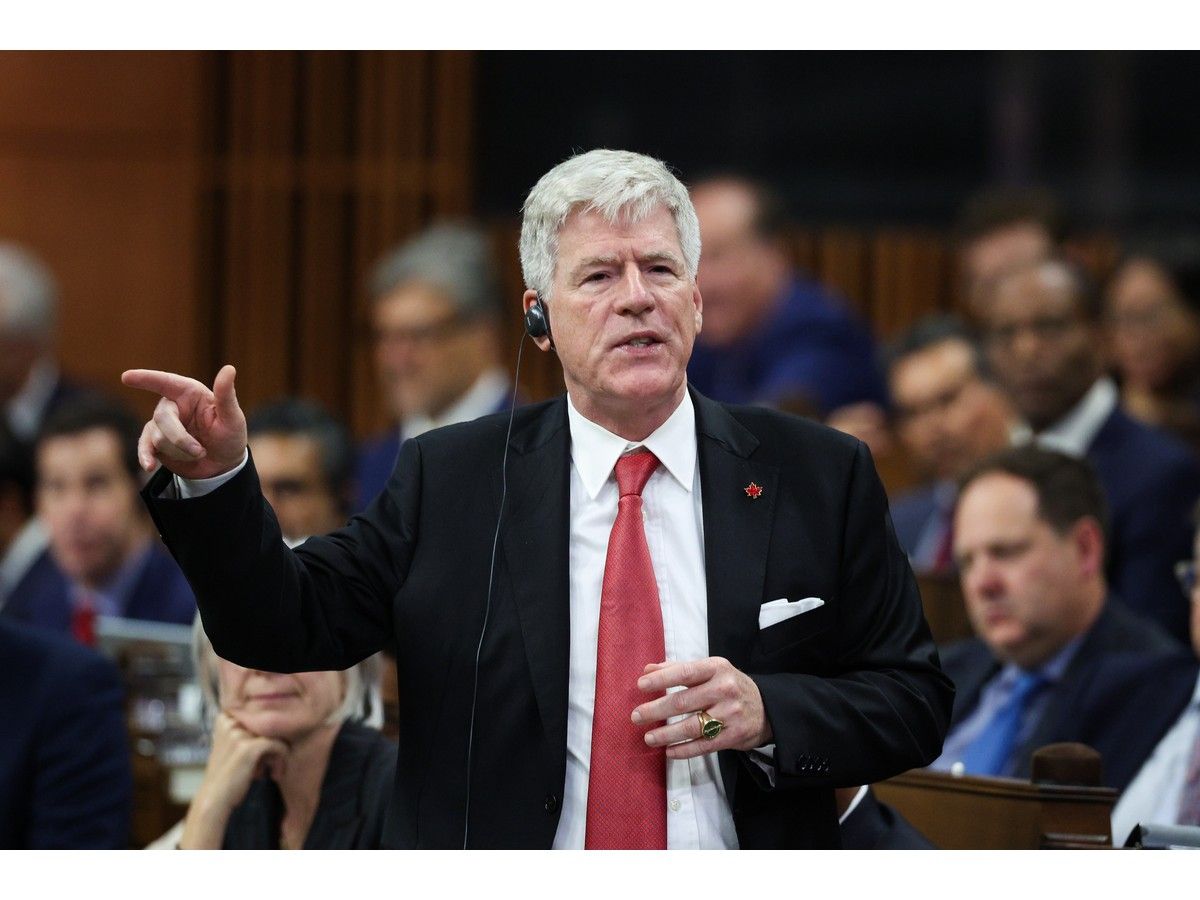
In an announcement Thursday, federal Energy Minister Tim Hodgson was joined by Premier Tim Houston in unveiling the funding as part of the push for offshore wind development in the province.
Of the $100 million, $5 million is being put toward the use of floating light and detection ranging (FLiDAR) buoys, meant to collect data regarding weather and ocean conditions.
Around $3 million is for Net Zero Atlantic, a non-profit research organization, in order to study how the electricity generated by offshore wind could be transmitted outside Nova Scotia to other markets.
“Nova Scotia is no longer at the end of the energy transmission line – we are the starting point,” Houston said in a news release.
“We aren’t just protecting our own grid, we are powering Canada. This partnership positions Nova Scotia to compete on the world stage while building a cleaner, more prosperous future for our province and future generations.”
Related
Offshore wind development takes another step forward in Nova Scotia
Opinion: Offshore wind can be the catalyst for a 'blue belt'
According to a news release, that work is needed to move forward the Wind West project, which has a goal of licensing five gigawatts of offshore energy by 2030.
It is also meant to reduce risk for potential investors, with the province saying the first phase of the project could bring up to $60 billion in investment from the private sector.
“Nova Scotia’s world-class wind and highly skilled offshore workforce, developed through the legacy of offshore oil and gas, give Canada a competitive advantage in the potentially $1-trillion global offshore wind market,” Hodgson said.
“We will unlock Atlantic Canada’s massive potential by accelerating offshore wind development and strengthening Nova Scotia’s position as a supplier of reliable, affordable and clean energy to customers in the province and across Canada.”
More to come
The full article is being collected. Available text is shown for now.